Have you ever wondered how vitamins can impact your daily health and well-being? Let’s take a journey together to uncover the many benefits of incorporating vitamins into your everyday routine.
What Are Vitamins?
Vitamins are organic compounds that are essential for various bodily functions. Your body requires them in small amounts to maintain your health and to perform critical processes like metabolism, immunity, and overall cellular function. Unlike macronutrients such as proteins, carbohydrates, and fats, vitamins do not provide energy, but they play a crucial role in ensuring that your body can convert those macronutrients into energy effectively.
Types of Vitamins
Vitamins can be categorized into two main groups: water-soluble and fat-soluble vitamins.
-
Water-Soluble Vitamins: These include Vitamin C and the B-vitamins, which your body cannot store. Therefore, you need to consume them regularly through your diet.
-
Fat-Soluble Vitamins: These include Vitamins A, D, E, and K, which your body stores in fatty tissues and the liver. You can draw on these reserves when needed.
Here’s a breakdown of the major vitamins and their primary functions:
| Vitamin | Type | Key Functions |
|---|---|---|
| A | Fat-Soluble | Vision, immune function, and skin health |
| C | Water-Soluble | Antioxidant, collagen synthesis, and immune support |
| D | Fat-Soluble | Bone health and calcium regulation |
| E | Fat-Soluble | Antioxidant and skin health |
| K | Fat-Soluble | Blood clotting and bone metabolism |
| B1 | Water-Soluble | Energy metabolism and nerve function |
| B2 | Water-Soluble | Energy production and skin health |
| B3 | Water-Soluble | DNA repair, energy metabolism |
| B5 | Water-Soluble | Hormone production and metabolism |
| B6 | Water-Soluble | Protein metabolism and neurotransmitter synthesis |
| B7 | Water-Soluble | Fatty acid metabolism |
| B9 | Water-Soluble | DNA synthesis and cell division |
| B12 | Water-Soluble | Red blood cell formation and nerve function |
Benefits of Vitamins for Daily Health
Including the right vitamins in your diet can offer numerous health benefits. Here are some significant ways they contribute to your overall well-being:
Enhanced Immune Function
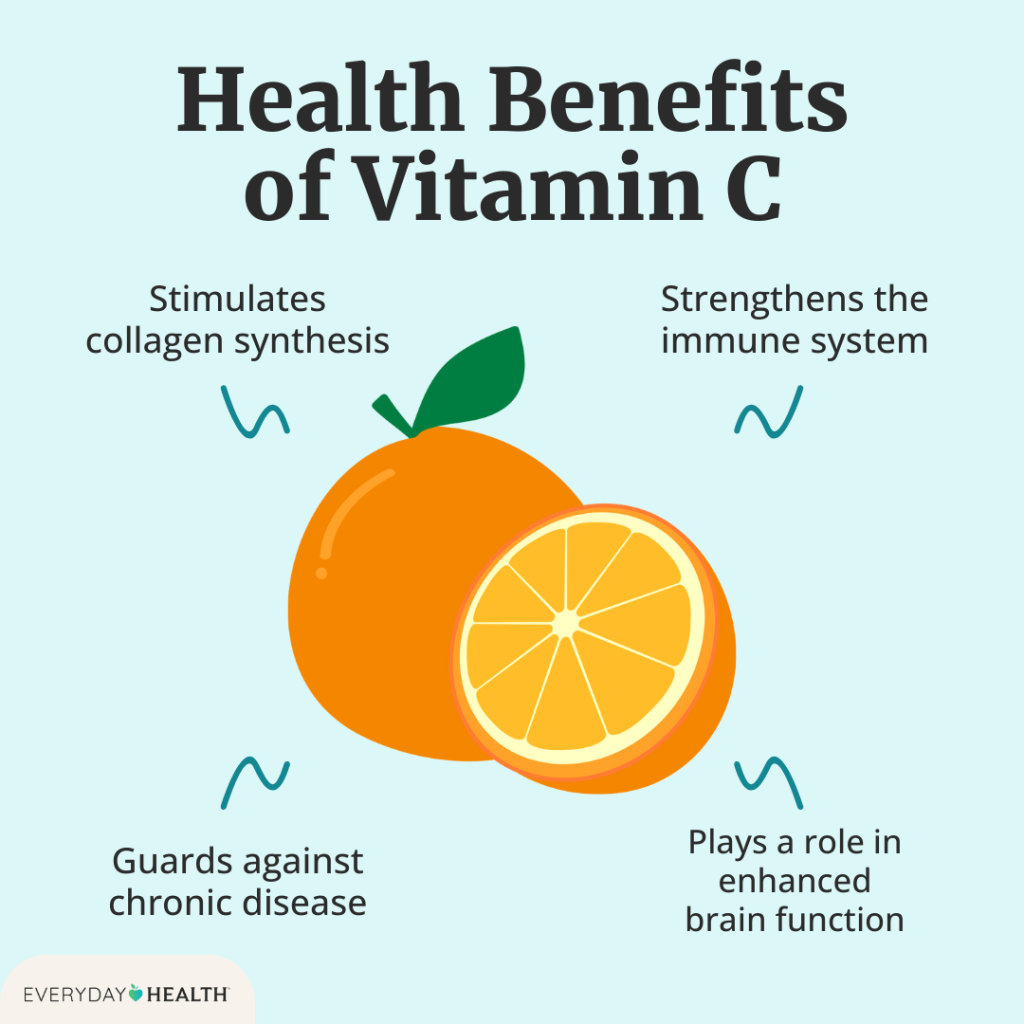
Vitamins such as C and D are well-known for their role in bolstering your immune system. Vitamin C acts as a powerful antioxidant, helping to protect your cells from damage. When your immune system is strong, you’re better equipped to fight off infections and illnesses.
Improved Energy Levels
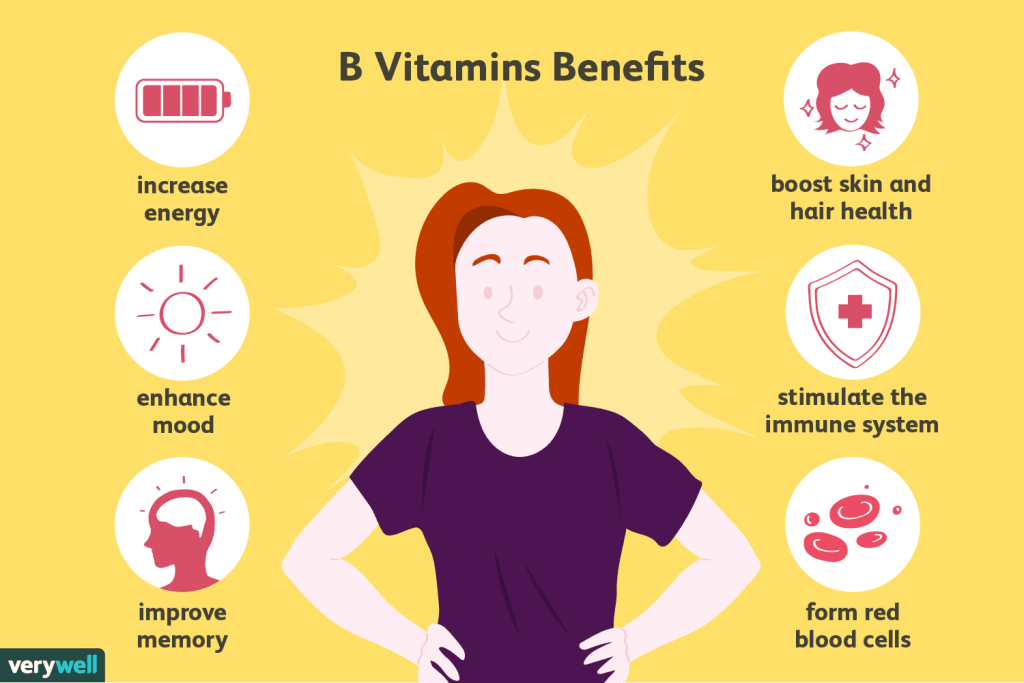
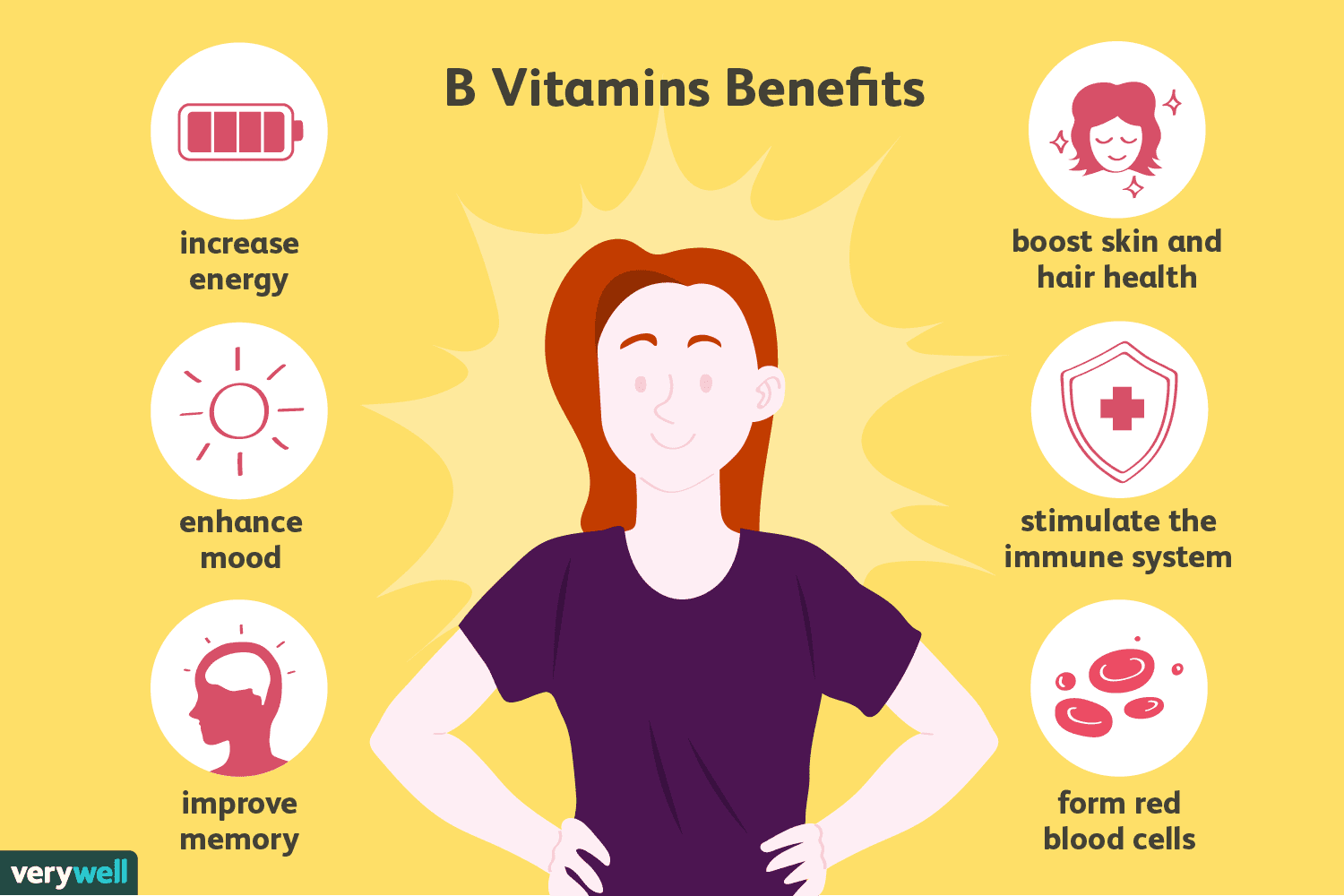
Your body needs a range of B vitamins to convert carbohydrates into glucose, which serves as energy. Without sufficient B vitamins, you might experience fatigue and sluggishness. Incorporating foods rich in B vitamins, or considering B-complex supplements, can help you maintain your energy levels throughout the day.
Better Bone Health
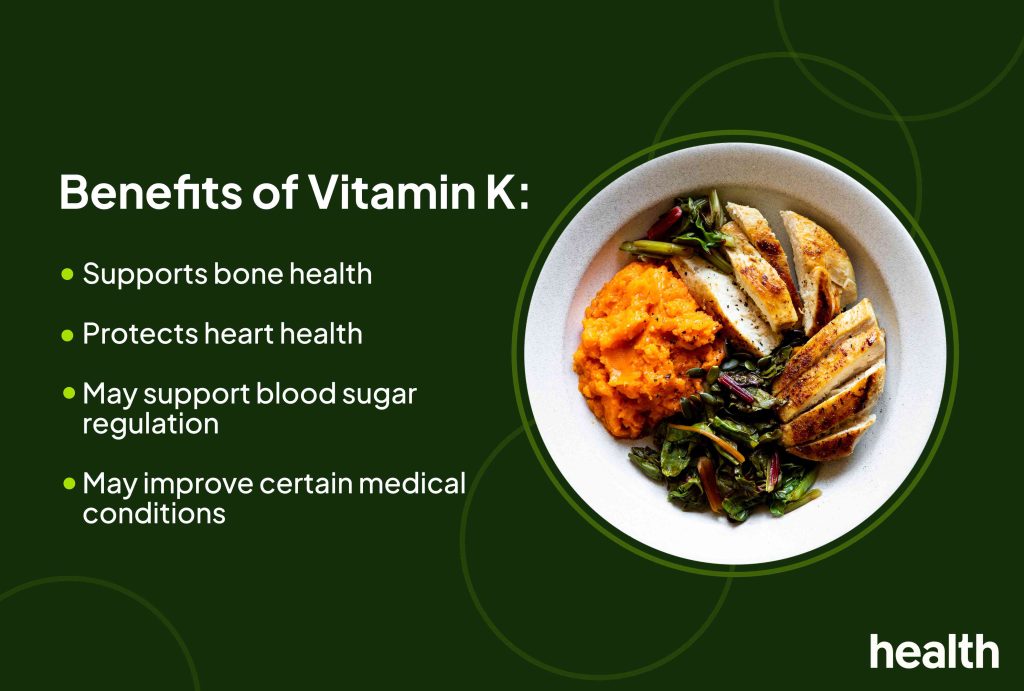
Vitamins D and K are essential for maintaining strong bones. Vitamin D helps your body absorb calcium, while Vitamin K plays a role in bone mineralization. Together, they contribute to bone density and health, reducing the risk of fractures and osteoporosis as you age.
Healthy Skin and Hair
Vitamins A, C, and E are particularly beneficial for skin health. Vitamin A supports skin repair and maintenance, while Vitamin C promotes collagen production, keeping your skin youthful and vibrant. Vitamin E acts as an antioxidant, protecting your skin from oxidative stress.
Cardiovascular Health
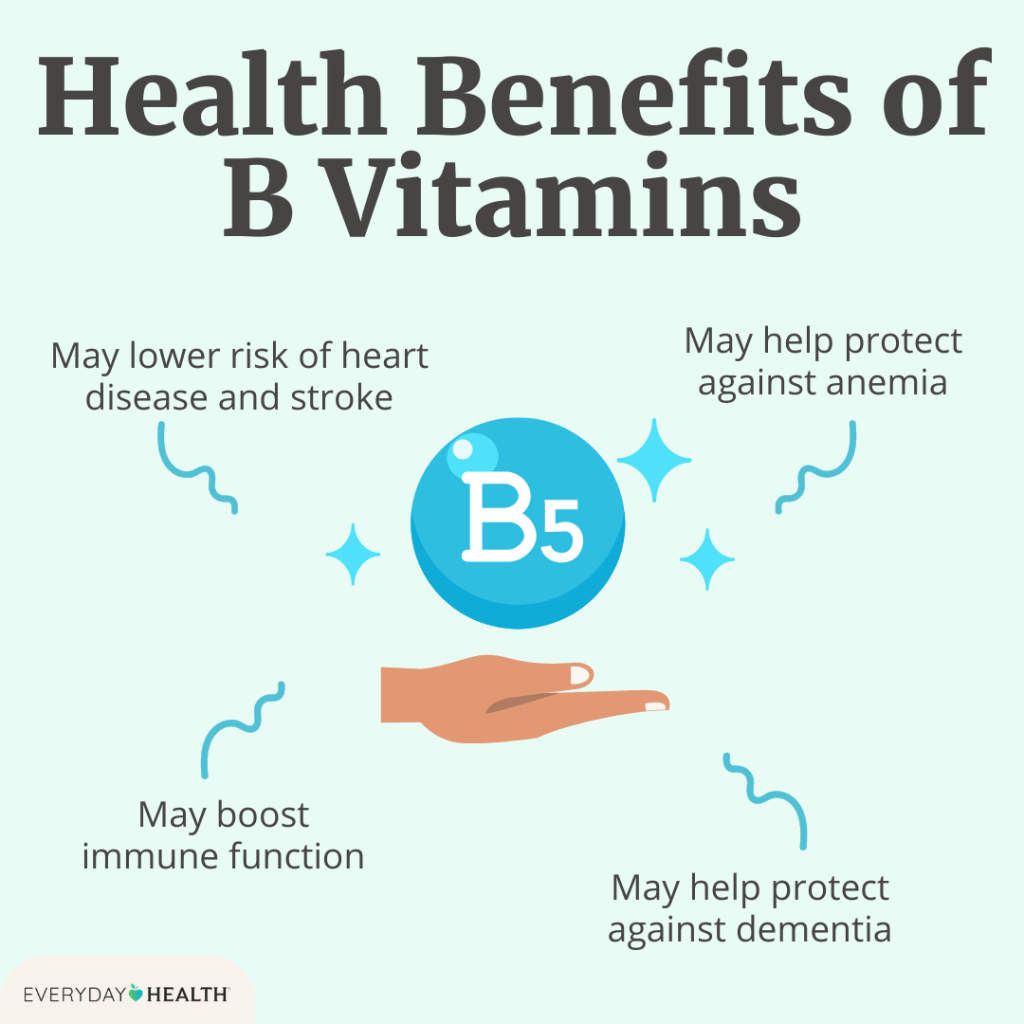
Certain vitamins, including B6, B12, and folic acid (B9), play a crucial role in heart health. They help reduce homocysteine levels, an amino acid that, at elevated levels, can increase the risk of heart disease. Supporting your cardiovascular system with these nutrients is key to sustaining a healthy heart.
Cognitive Function
Vitamins also support brain health. B vitamins, particularly B6, B12, and folate, are known to aid in brain function and may reduce cognitive decline. Adequate levels of these vitamins can help maintain your memory and mental clarity as you age.
Mood Regulation
There’s a growing body of evidence suggesting that vitamins can affect your mood and mental health. For example, deficiencies in B vitamins and vitamin D have been linked to an increased risk of depression. Ensuring you have adequate levels of these vitamins can play a role in maintaining mental wellness.
Natural Sources of Vitamins
You might be asking yourself how to get these vitamins into your daily diet. Here’s a friendly guide to some of the best natural sources for vitamins:
Fruits and Vegetables
Fruits and vegetables are packed with vitamins, particularly water-soluble ones. For example:
- Citrus fruits (like oranges and grapefruits) are excellent sources of Vitamin C.
- Leafy greens (such as spinach and kale) are rich in Vitamins A, C, and K.
- Bell peppers provide a substantial amount of Vitamin C.
Whole Grains
Whole grains not only provide energy but are also a great source of B vitamins. Foods like brown rice, quinoa, and whole wheat bread can help boost your intake of several B vitamins.
Nuts and Seeds
Nuts and seeds such as almonds, sunflower seeds, and flaxseeds can be an excellent source of Vitamin E and healthy fats that support overall nutrition.
Dairy Products and Eggs
Dairy products and eggs provide essential vitamins such as D, A, and B12. If you enjoy these foods, they can be a reliable source of these nutrients.
Fish and Seafood
Fatty fish, like salmon and mackerel, are rich in Vitamin D and omega-3 fatty acids, which are vital for both physical and mental health.
Supplements
While whole foods are the best sources, supplements can also play a role in ensuring you meet your nutritional needs. If your diet lacks specific vitamins, consider talking to a healthcare professional about supplements.
Daily Recommended Values
Understanding how much of each vitamin you should consume daily is vital for optimal health. Here’s a quick reference table to guide you:
| Vitamin | Daily Recommended Value (DV) | Sources |
|---|---|---|
| A | 900 mcg | Carrots, sweet potatoes, spinach |
| C | 90 mg | Oranges, strawberries, bell peppers |
| D | 600 IU | Sunlight, salmon, fortified milk |
| E | 15 mg | Nuts, seeds, spinach |
| K | 120 mcg | Kale, broccoli, Brussels sprouts |
| B1 | 1.2 mg | Whole grains, pork, peas |
| B2 | 1.3 mg | Eggs, dairy, green leafy veggies |
| B3 | 16 mg | Poultry, fish, whole grains |
| B5 | 5 mg | Chicken, beef, potatoes |
| B6 | 1.3 mg | Fish, potatoes, chickpeas |
| B7 | 30 mcg | Eggs, nuts, soybeans |
| B9 | 400 mcg | Leafy greens, legumes |
| B12 | 2.4 mcg | Meat, fish, dairy |
Vitamins for Specific Needs
Your vitamin needs may vary depending on factors such as age, gender, and lifestyle. Here are a few cases where specific vitamins can be particularly beneficial:
Prenatal Health
For expecting mothers, prenatal vitamins are usually recommended to ensure both the mother and baby receive adequate nutrients. Folic acid (B9) is especially crucial for preventing neural tube defects.
Aging Adults
As you age, your body may need more vitamins to maintain even basic functions. For example, Vitamin D can offset bone density loss, and B12 is vital for preventing cognitive decline.
Athletes
If you’re active, your nutrient needs may be higher. B vitamins support energy metabolism, while electrolytes and Vitamin C can help with recovery and overall performance.
Vegetarians and Vegans
If you follow a vegetarian or vegan diet, it’s vital to ensure you’re getting enough Vitamin B12, which is primarily found in animal products. Consider fortified foods or supplements to meet your needs.
Potential Risks of Vitamin Deficiencies
While vitamins are essential, a deficiency can lead to various health issues. Here are some common problems associated with a lack of specific vitamins:
Vitamin A Deficiency
A lack of vitamin A can lead to vision problems, including night blindness and an increased risk of infections.
Vitamin B12 Deficiency
This can result in anemia and neurological issues, including memory loss and difficulty concentrating.
Vitamin C Deficiency
Inadequate intake can lead to scurvy, characterized by fatigue, gum disease, and skin issues.
Vitamin D Deficiency
Shortfalls in vitamin D can result in weakened bones and an increased risk of fractures.
Vitamin K Deficiency
Deficiency can impair your blood clotting ability, leading to excessive bleeding.
The Importance of Balance
While you’re looking towards maintaining adequate vitamin levels, it’s vital to find the right balance. More isn’t always better, and excessive intake of certain vitamins can lead to toxicity, especially with fat-soluble vitamins. It’s always a good idea to consult with a healthcare professional if you’re considering supplements to ensure you’re using them safely and effectively.
Conclusion
The benefits of vitamins for your daily health are profound and multifaceted. By ensuring you incorporate a variety of vitamins through a balanced diet, you can support your immune system, boost your energy, maintain healthy skin, and much more. Pay attention to your body’s signals and don’t hesitate to seek advice from professionals when needed.
You can foster your well-being in a friendly, supportive way by enjoying colorful meals filled with nutrients, keeping your body vibrant and healthy. Keep learning and nourishing yourself, and you’ll reap the rewards of good vitamin intake for years to come!