

Have you ever wondered why you feel sluggish despite getting enough sleep and exercise? The answer may lie in the balance of vitamins in your body. Understanding vitamin balance can significantly enhance your overall wellness.
The Importance of Vitamins
Vitamins are organic compounds that your body needs in small amounts to function properly. They play crucial roles in various bodily functions, from boosting your immune system to supporting your metabolism. Each vitamin has a unique purpose and requirement, making it vital to maintain a proper balance.
Types of Vitamins
Vitamins can be categorized into two main groups: water-soluble vitamins and fat-soluble vitamins. Knowing the difference can help you understand how to consume them effectively.
Water-Soluble Vitamins
Water-soluble vitamins include the B vitamins and vitamin C. They dissolve in water and are not stored in the body, meaning you need to consume them regularly. If you consume an excess of water-soluble vitamins, your body will usually flush them out through urine.
-
B Vitamins: These include B1 (Thiamine), B2 (Riboflavin), B3 (Niacin), B5 (Pantothenic Acid), B6 (Pyridoxine), B7 (Biotin), B9 (Folate), and B12 (Cobalamin). Each plays a crucial role in energy metabolism, brain health, and red blood cell production.
-
Vitamin C: This vitamin is essential for the growth and repair of tissues, and it’s a powerful antioxidant that helps combat free radicals.
Fat-Soluble Vitamins
Fat-soluble vitamins, including vitamins A, D, E, and K, are stored in your body’s fatty tissues and liver. These vitamins are absorbed along with fats in your diet, which allows them to be available when your body needs them.
-
Vitamin A: Crucial for vision, immune function, and skin health. It is found in foods like carrots, sweet potatoes, and spinach.
-
Vitamin D: Often referred to as the “sunshine vitamin,” it helps regulate calcium and phosphorus in the body, which is vital for bone health.
-
Vitamin E: A potent antioxidant, vitamin E contributes to skin health, immune function, and may help prevent chronic diseases.
-
Vitamin K: Essential for blood clotting and bone metabolism. You can find it in leafy greens and fermented foods.
Why Vitamin Balance Matters
Vitamin balance isn’t just about getting enough of each vitamin; it’s about avoiding deficiencies as well as excesses. An imbalance can lead to various health issues.
Deficiency Effects
Inadequate vitamin intake can lead to several health problems. For example:
| Vitamin | Potential Deficiency Effects |
|---|---|
| Vitamin A | Night blindness, immune dysfunction |
| Vitamin B12 | Fatigue, neurological issues, anemia |
| Vitamin D | Weak bones, increased risk of chronic diseases |
| Vitamin C | Weak immune response, poor wound healing |
Excess Effects
Conversely, too much of a good thing can also be harmful. Here’s how excessive intake can affect you:
| Vitamin | Potential Excess Effects |
|---|---|
| Vitamin A | Toxicity can lead to liver damage, blurred vision |
| Vitamin D | May cause kidney stones and hypercalcemia |
| Vitamin E | Increases risk of bleeding, and can interfere with blood clotting |
| Vitamin K | Can affect blood-thinning medications |
Maintaining a balance ensures that you feel your best while avoiding potential health risks.
Achieving Vitamin Balance
You might be wondering how to achieve this all-important vitamin balance. It generally comes down to a combination of diet, lifestyle, and sometimes supplementation.
A Balanced Diet
Eating a well-rounded diet is one of the most effective ways to optimize your vitamin intake. Focus on incorporating a variety of foods from different food groups.
Fruits and Vegetables
Aim to fill half your plate with colorful fruits and veggies. Each color usually represents different vitamins and minerals.
- Orange and Yellow: Carrots, sweet potatoes (Vitamin A)
- Leafy Greens: Spinach, kale (Vitamins K, C, and several B vitamins)
- Berries: Strawberries, blueberries (Vitamin C)
Whole Grains
Whole grains like quinoa, brown rice, and oats are not only a good source of energy but also packed with B vitamins.
Lean Proteins
Include sources of lean protein in your diet, such as chicken, fish, beans, and legumes. These foods help you get adequate Vitamin B12 and support overall wellness.
Healthy Fats
Don’t forget healthy fats! Foods like avocados, olive oil, nuts, and fatty fish (like salmon) provide essential fatty acids that assist in the absorption of fat-soluble vitamins.
Hydration and Supplementation
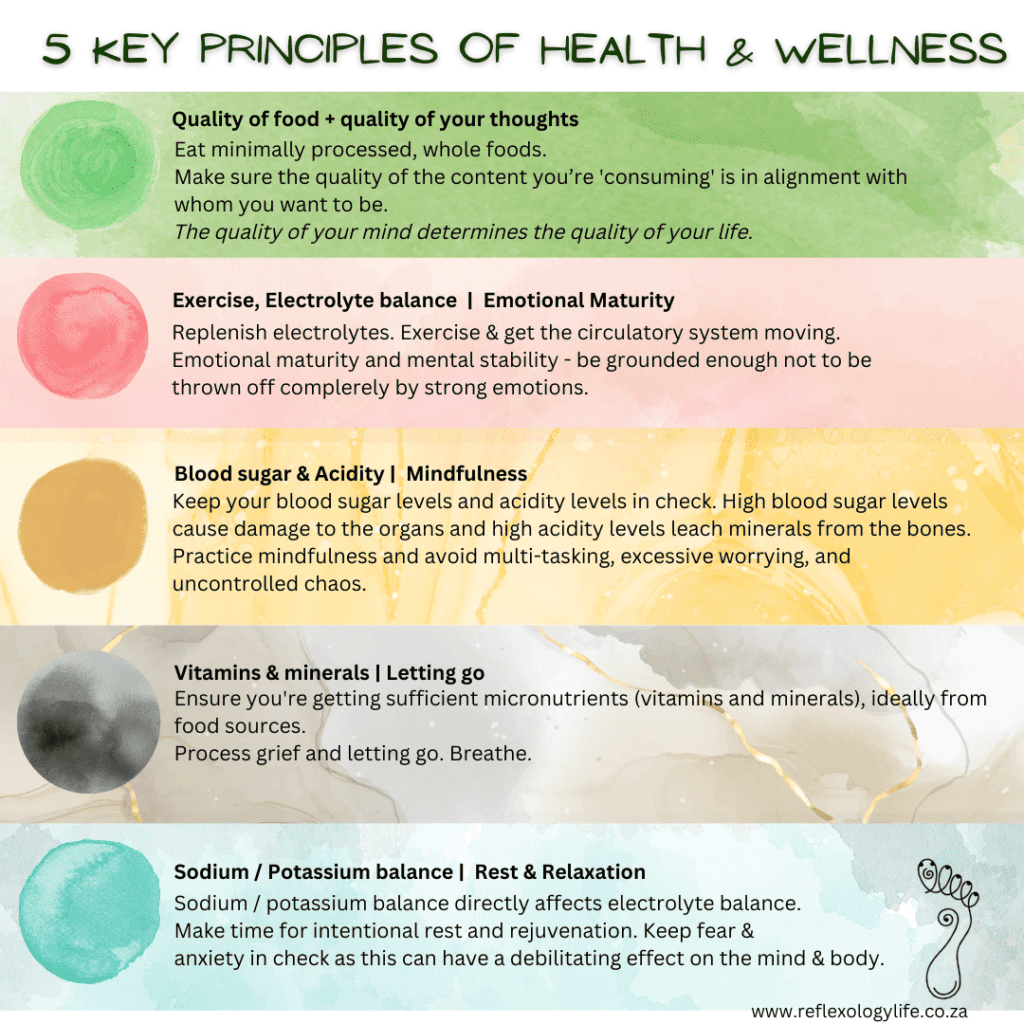
While focusing on your diet, don’t underestimate the importance of hydration. Water intake aids in the absorption of water-soluble vitamins. Depending on your dietary restrictions or lifestyle, you may consider vitamin supplementation with the guidance of a healthcare professional.
Vitamin Testing
If you are concerned about your vitamin levels, testing can be an excellent option. There are various methods to assess your vitamin status:
Blood Tests
Blood tests can indicate the levels of specific vitamins in your system. Many healthcare providers can help you interpret these results and make dietary recommendations based on them.
Symptom Tracking
Pay attention to how you feel. Are you frequently fatigued or experiencing muscle cramps? These could be signs of vitamin deficiencies. Monitoring your symptoms could help you identify potential imbalances.
Consultation with Professionals
Consulting a registered dietitian or nutritionist can help you create a tailored eating plan that ensures you’re meeting your vitamin needs. They can provide personalized advice based on your health history and lifestyle choices.
Lifestyle Factors Affecting Vitamin Levels
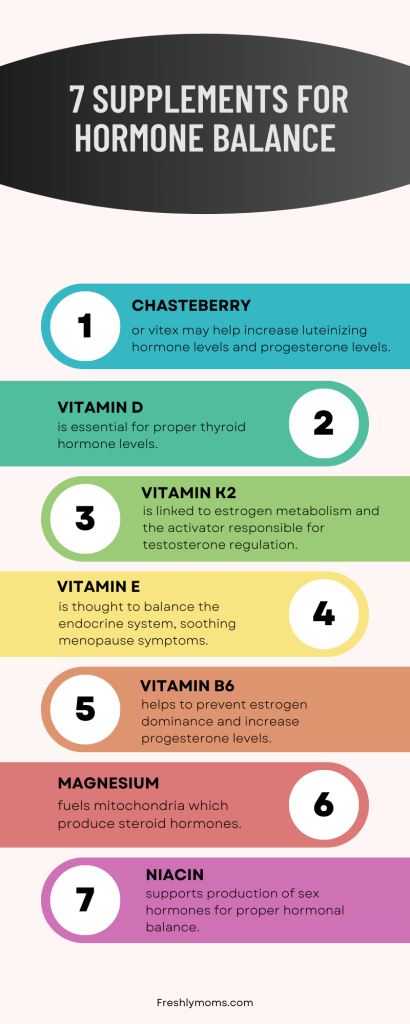
Many lifestyle factors can have an impact on your vitamin balance. Understanding these can empower you to make changes that enhance your overall wellness.
Stress
Chronic stress can deplete certain vitamins. For example, vitamin C and several B vitamins are highly affected during stressful periods. Implement stress management techniques like meditation, exercise, or yoga to help keep your vitamin levels more stable.
Age
As you age, your body may absorb vitamins differently. For instance, older adults often have a harder time absorbing Vitamin B12 from food, which can lead to deficiencies. Thus, regular check-ups and potentially a shift in your dietary choices may be beneficial.
Medications
Some medications can interact with vitamin absorption. If you’re on chronic medications, consult your healthcare provider to understand how they may influence your vitamin balance.
Alcohol Consumption
Excessive alcohol intake can interfere with your body’s ability to absorb essential nutrients. Limiting alcohol can help maintain optimal vitamin levels in your system.
Food Sources for Each Vitamin
To make vitamin intake more tangible, let’s break down the best food sources for each vitamin:
| Vitamin | Food Sources |
|---|---|
| Vitamin A | Carrots, sweet potatoes, spinach, kale |
| Vitamin B1 | Whole grains, pork, legumes |
| Vitamin B2 | Eggs, milk, almonds, and greens |
| Vitamin B3 | Chicken, fish, whole grain bread |
| Vitamin B5 | Avocados, eggs, sweet potatoes |
| Vitamin B6 | Fish, potatoes, bananas |
| Vitamin B7 | Eggs, nuts, seeds |
| Vitamin B9 | Legumes, leafy greens, citrus fruits |
| Vitamin B12 | Meat, fish, dairy products |
| Vitamin C | Citrus fruits, bell peppers, broccoli |
| Vitamin D | Fatty fish, fortified dairy, sunlight |
| Vitamin E | Nuts, seeds, green leafy vegetables |
| Vitamin K | Leafy greens, broccoli, Brussels sprouts |
Including these foods in your daily meals can help you maintain the balance of necessary vitamins.

Conclusion
You may find that achieving vitamin balance is easier than you thought. Starting with a well-rounded diet, staying informed on your vitamin needs, balancing lifestyle factors, and seeking professional guidance can set you on the path to overall wellness.
Always remember that small changes can lead to significant health improvements. By appropriately managing your vitamin intake, you can enhance energy levels, boost your immune system, and enjoy a healthier life. So why not take the first step today towards a more balanced vitamin intake and a happier you?