
Have you ever considered how the changing seasons influence your nutritional needs? Summer, with its vibrant energy and sunny days, offers a unique opportunity to reassess your vitamin intake. While you soak up the sun, it’s essential to ensure your body gets the right vitamins to keep you feeling your best.
The Importance of Vitamins in Summer
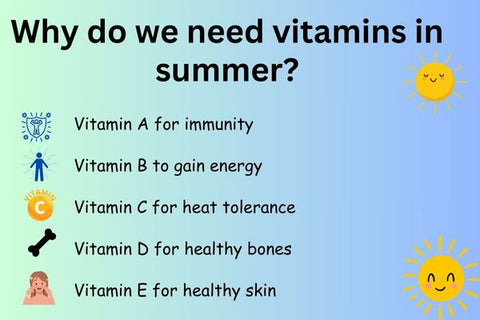
Vitamins are crucial for maintaining good health and supporting your body’s functions. They play various roles, from boosting your immune system to promoting skin health and providing energy. In summer, when you’re likely to be more active and spend more time outdoors, the right vitamins can help you make the most of the season.
Sunshine and Vitamin D
One of the most significant benefits of summer is the increased exposure to sunlight, which allows your body to produce vitamin D naturally. Vitamin D plays a pivotal role in bone health by improving calcium absorption. It also supports your immune function and can elevate your mood—important during the sunny months when you want to feel great.
Sources of Vitamin D
To reap the benefits of vitamin D, consider these options:
- Sunlight: Aim for about 15-30 minutes of sun exposure on your face, arms, and legs a few times a week.
- Foods: Include fatty fish like salmon, mackerel, or sardines, fortified dairy products, eggs, and mushrooms exposed to UV light in your diet.
- Supplements: If you find it challenging to get enough sun or food sources, a vitamin D supplement may be necessary. Consult with your healthcare provider for the right dosage.
Vitamin C for Skin Health
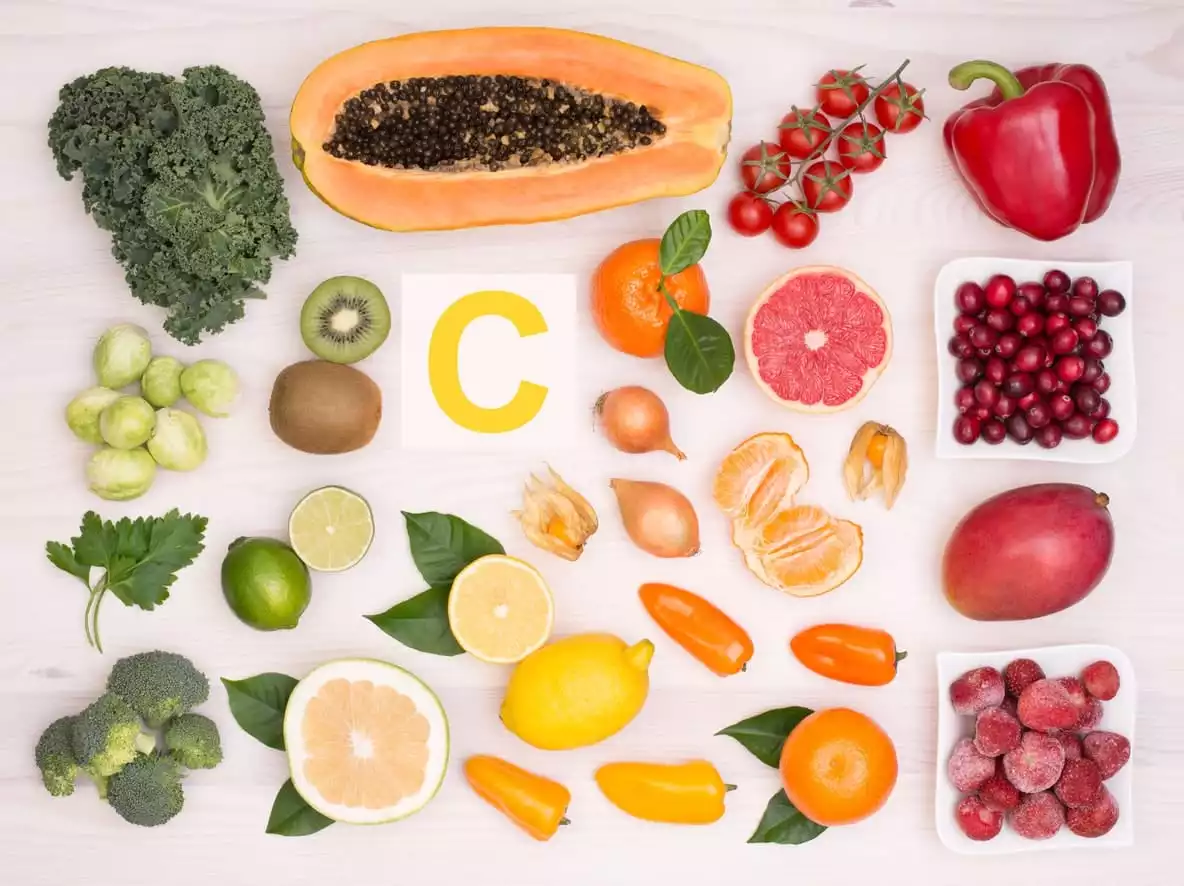
During the hotter months, keeping your skin healthy is a priority. Vitamin C is a powerful antioxidant that helps protect your skin from sun damage by neutralizing free radicals. This vitamin also plays a role in collagen production, essential for maintaining skin elasticity.
Sources of Vitamin C
You can easily incorporate vitamin C into your diet with these foods:
| Food Item | Vitamin C Content (per 100g) |
|---|---|
| Kiwi | 92.7 mg |
| Red bell pepper | 80.7 mg |
| Strawberries | 58.8 mg |
| Oranges | 53.2 mg |
| Broccoli | 89.2 mg |
The Role of Vitamin A
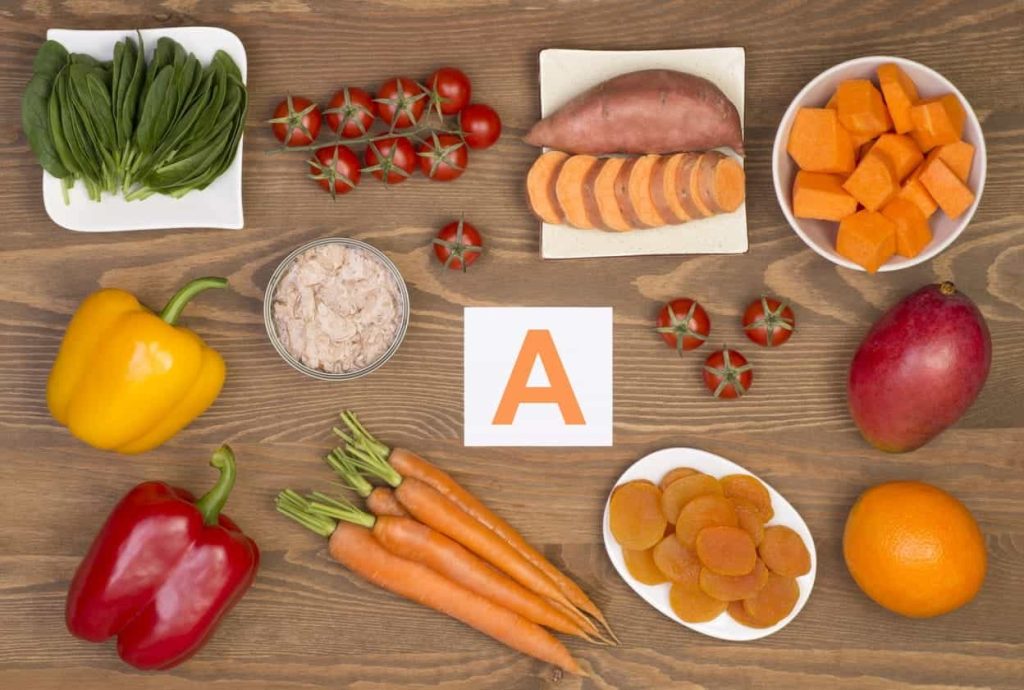
Vitamin A is vital for maintaining healthy skin and vision, especially during the summer when UV exposure is at its peak. It helps your skin recover from sun damage and thus supports overall skin health.
Sources of Vitamin A
You can boost your vitamin A intake by including these foods:
- Carrots: A well-known source of beta-carotene, which the body converts to vitamin A.
- Sweet Potatoes: Another excellent source of beta-carotene.
- Dark Leafy Greens: Spinach and kale offer significant amounts of vitamin A.
- Eggs: A good source, particularly in the yolk.
B Vitamins for Energy
Summer often means more physical activity, whether it’s hiking, swimming, or playing sports. B vitamins are essential for converting the food you eat into energy, helping you stay active and energized throughout the day.
Key B Vitamins
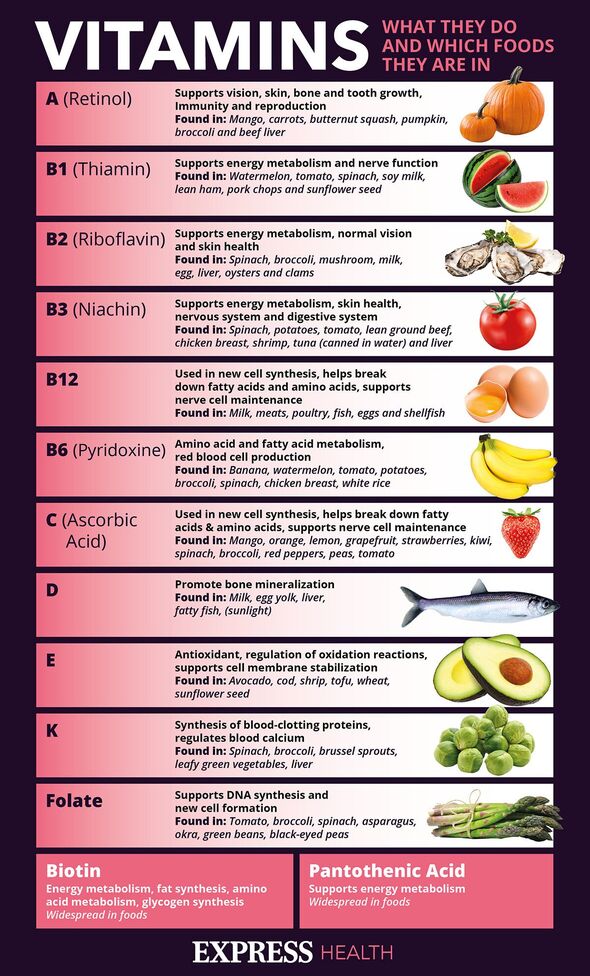
- B1 (Thiamine): Supports energy metabolism.
- B2 (Riboflavin): Aids in red blood cell production and energy release.
- B3 (Niacin): Helps maintain healthy skin and promote proper digestion.
- B6 (Pyridoxine): Important for protein metabolism and red blood cell formation.
- B12 (Cobalamin): Vital for nerve function and the production of DNA and red blood cells.
Sources of B Vitamins
Boost your intake with foods such as:
| Food Item | B Vitamin Content |
|---|---|
| Whole grains | B1, B3, B6 |
| Eggs | B2, B12 |
| Meat (especially liver) | B3, B12 |
| Legumes | B1, B6 |
| Nuts and seeds | B3, B6 |
Staying Hydrated
While hydration isn’t a vitamin, it’s just as critical during the hot summer months. High temperatures increase your risk of dehydration, which can diminish your energy levels and impair your body’s ability to function properly.
Tips for Staying Hydrated
- Drink Water: Aim for at least 8-10 glasses of water per day. Consider carrying a reusable water bottle with you.
- Electrolytes: Use electrolyte-infused beverages after intense activities or on particularly hot days.
- Fruits & Vegetables: Incorporate hydrating foods like cucumbers, watermelon, oranges, and lettuce into your meals.
The Importance of Omega-3 Fatty Acids
While not technically a vitamin, omega-3 fatty acids are essential for overall well-being. They promote heart health, reduce inflammation, and can even improve mental clarity—important as you enjoy summer activities.
Sources of Omega-3 Fatty Acids
Consider these options to enhance your omega-3 intake:
- Fatty Fish: Salmon, sardines, and mackerel are rich in omega-3s.
- Chia Seeds: These tiny seeds are packed with nutrients and can easily be added to smoothies or oatmeal.
- Walnuts: A great plant-based source of omega-3 fatty acids.
- Flaxseeds: Ground flaxseeds can be sprinkled on cereal or added to baking recipes.
Antioxidants for Overall Health
Summer activities can increase your exposure to environmental stressors, making antioxidants crucial for protecting your body from oxidative stress. Vitamins such as A, C, and E are powerful antioxidants that can help shield your cells from damage.
Sources of Antioxidant-Rich Foods
- Berries: Such as blueberries, strawberries, and blackberries are excellent sources of antioxidants.
- Dark Chocolate: In moderation, dark chocolate provides significant antioxidant benefits.
- Nuts: Almonds and hazelnuts are not only rich in healthy fats but also in antioxidants.
Vitamin E for Skin Protection
Vitamin E is another essential nutrient to consider during the sunny months. It helps to protect your skin from oxidative damage caused by UV rays and can also support healing.
Sources of Vitamin E
To enhance your vitamin E levels, include these foods in your diet:
| Food Item | Vitamin E Content (per 100g) |
|---|---|
| Almonds | 25.6 mg |
| Spinach | 2.03 mg |
| Avocado | 2.07 mg |
| Sunflower Seeds | 35.17 mg |
Vitamin K for Bone Health
Vitamin K is often overlooked but is vital for bone health, a crucial factor during summer activities that may involve more physical movement. It helps in bone mineralization and may reduce the risk of fractures.
Sources of Vitamin K
Incorporate these foods to enhance your vitamin K intake:
- Kale: A powerhouse for vitamin K.
- Broccoli: Offers a robust dose of vitamin K along with other essential nutrients.
- Brussels Sprouts: Not only tasty but also high in vitamin K content.
The Connection Between Vitamins and Mood
Summer is often associated with elevated moods, largely thanks to sunlight exposure and the festivities that come with the season. Vitamins like B6, B12, and D are crucial for regulating mood and preventing feelings of anxiety or depression.
Tips to Enhance Mood with Vitamins
- Balanced Diet: Prioritize a balanced diet rich in whole foods that contain a variety of vitamins.
- Stay Active: Engaging in physical activity helps release endorphins, enhancing your mood further.
- Socialize: Spending time with friends and loved ones can also boost your spirits during the summer.
Conclusion: Embrace the Season with Health in Mind
As summer unfolds, it’s an opportune time to review your dietary habits and consider how vitamins can enhance your overall health. By focusing on the essential vitamins discussed, such as D, C, A, and various B vitamins, along with incorporating omega-3 fatty acids and antioxidants, you can support your physical and mental well-being.
Remember to pay attention to hydration and eat a variety of colorful foods to meet your nutritional needs. This summer, make a point to prioritize your health and enjoy the season with energy and vitality. With the right approach, you can make the most of sunny days, beach adventures, and outdoor gatherings while feeling your best.