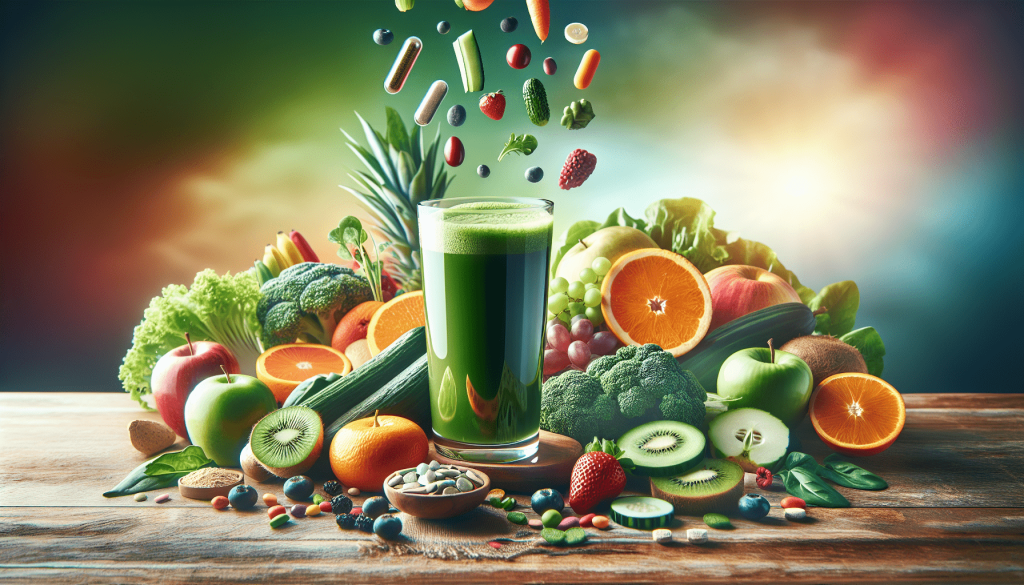
How often do you find yourself feeling fatigued or unfocused during the day? You might be surprised to learn that the answer to feeling more energetic and sharp can often be found in the vitamins you consume. Vitamins play a vital role in your overall health and well-being, influencing everything from your mood to your energy levels. Let’s uncover how these essential nutrients can truly transform your day.
What Are Vitamins?
Vitamins are organic compounds that your body needs to function properly. They help in various biochemical processes, and deficiencies can lead to numerous health issues. With over a dozen essential vitamins, each one plays a unique role in your health.
Types of Vitamins
Vitamins can be categorized primarily into two groups: water-soluble and fat-soluble vitamins. Understanding these categories helps you know how they function within your body.
Water-Soluble Vitamins
Water-soluble vitamins include the B-vitamins and vitamin C. These vitamins dissolve in water, which means your body doesn’t store them. Any excess is excreted in urine. Therefore, it’s important to consume these regularly.
| Vitamin | Key Functions | Sources |
|---|---|---|
| Vitamin B1 (Thiamine) | Energy metabolism, nerve function | Whole grains, fish, nuts |
| Vitamin B2 (Riboflavin) | Energy production, red blood cell formation | Eggs, lean meats, green vegetables |
| Vitamin B3 (Niacin) | DNA repair, energy metabolism | Poultry, fish, whole grains |
| Vitamin B5 (Pantothenic Acid) | Hormone production, energy production | Chicken, beef, potatoes |
| Vitamin B6 (Pyridoxine) | Brain health, protein metabolism | Fish, beef, bananas |
| Vitamin B7 (Biotin) | Fatty acid synthesis, glucose metabolism | Eggs, nuts, soybeans |
| Vitamin B9 (Folate) | Cell division, DNA synthesis | Leafy greens, legumes |
| Vitamin B12 (Cobalamin) | Nerve function, red blood cell production | Meat, dairy, eggs |
| Vitamin C | Antioxidant, immune function | Citrus fruits, strawberries, bell peppers |
Fat-Soluble Vitamins
Fat-soluble vitamins include A, D, E, and K. These vitamins are stored in your body’s fatty tissues and liver, allowing your body to draw upon them when needed.
| Vitamin | Key Functions | Sources |
|---|---|---|
| Vitamin A | Vision, immune function, skin health | Carrots, sweet potatoes, spinach |
| Vitamin D | Bone health, immune support | Sunlight, fatty fish, fortified milk |
| Vitamin E | Antioxidant, skin health | Nuts, seeds, green leafy vegetables |
| Vitamin K | Blood clotting, bone health | Green leafy vegetables, broccoli |
The Impact of Vitamins on Your Energy Levels
Feeling tired or sluggish can often be a result of insufficient vitamin intake. Let’s look at how specific vitamins contribute to energy production and overall vitality.
B Vitamins and Energy Production
The B vitamins are known as the energy vitamins, and for good reason. They play significant roles in converting the food you eat into energy.
- Vitamin B1 (Thiamine) helps in the metabolism of carbohydrates, providing you with a quick energy source.
- Vitamin B2 (Riboflavin) and Vitamin B3 (Niacin) are essential in the energy production pathway. They support the conversion of fats and proteins into energy.
- Vitamin B6 (Pyridoxine) aids in the production of neurotransmitters, which can affect mood and energy levels.
When you’re lacking in these vitamins, you may find yourself feeling drained, both mentally and physically.
Vitamin D’s Role in Energy
Vitamin D is not just about bone health; it plays a significant role in regulating your mood and energy levels. A deficiency in vitamin D has been linked to fatigue and depressive symptoms. Spending time outdoors and allowing sunlight to guide your vitamin D production can significantly raise your spirits.
Antioxidant Boost with Vitamins C and E
Both vitamins C and E are powerful antioxidants. They help combat oxidative stress in your body, which can contribute to feelings of fatigue. By neutralizing harmful free radicals, these vitamins can help you feel rejuvenated and ready to tackle your day.
How Vitamins Influence Your Mood
Your mental state is often interwoven with your physical health. Vitamins can have a profound impact on your mood and mental clarity.
The Connection Between B Vitamins and Mood
Research suggests a link between B vitamins and mood regulation. For example, Vitamin B12 is essential for the synthesis of serotonin, a neurotransmitter that contributes to feelings of well-being and happiness. Deficits in this vitamin can lead to mood swings or even depression.
Omega-3 Fatty Acids and Vitamin D
Although not a vitamin, omega-3 fatty acids work closely with vitamins for optimal mental health. Found mostly in fish, they have anti-inflammatory properties and support brain health. Together with vitamin D, they can significantly enhance your mood and cognitive function.
The Role of Vitamin C in Stress Management
Vitamin C is often overlooked regarding mental health, yet it plays a pivotal role in reducing anxiety. It helps lower cortisol levels, the hormone related to stress. Regular intake of this vitamin can lead to improved stress management and a calmer mind.
Vitamins and Immune Support
With the ongoing changes in health awareness, boosting your immune system is a priority for many. Vitamins play a crucial role in enhancing your immune response.
Vitamin C for Immunity
Vitamin C is renowned for its immune-boosting properties. It stimulates the production of white blood cells, vital for combating infections. Ensuring you have ample vitamin C in your diet can help keep common colds and viruses at bay.
Vitamin D’s Role in Immunity
Vitamin D deficiency can leave your immune system vulnerable. It enhances the pathogen-fighting effects of monocytes and macrophages—important components of your immune defense. Ensuring adequate vitamin D levels can be particularly beneficial during cold months when sunlight exposure is limited.
Other Essential Vitamins for Immune Health
- Vitamin A is crucial for maintaining the structure and function of mucosal cells, which serve as a frontline defense against pathogens.
- Vitamin E also plays a role in immune function by ensuring the body’s response to infections is smooth and efficient.

Healthy Sources of Vitamins
Understanding how to get these vital nutrients into your diet is crucial for daily transformation. Let’s break down some easy ways to incorporate vitamins into your meals.
Whole Foods: Nature’s Best Sources
Whole foods are packed with the vitamins and minerals your body craves. Here are some nutrient-dense options you can include:
- Fruits: Oranges, berries, bananas, and kiwi are great choices for vitamin C and other essential vitamins.
- Vegetables: Dark leafy greens, carrots, and bell peppers will provide a wealth of vitamins A and K.
- Nuts and Seeds: Almonds, walnuts, sunflower seeds, and chia seeds are excellent sources of vitamin E and healthy fats.
- Proteins: Lean meats, fish, eggs, and legumes offer B vitamins essential for energy production.
Supplements: The Alternative Route
While whole foods are the best source of vitamins, some circumstances make supplementation necessary. Here are a few scenarios:
- Restricted Diets: If you’re vegan or vegetarian, you may need to supplement vitamins such as B12 and D, which are primarily found in animal products.
- Health Conditions: Individuals with malabsorption issues or certain chronic illnesses may require vitamin supplements to meet their needs.
- Busy Lifestyles: If it’s hard to maintain a balanced diet, a good-quality multivitamin can help fill nutritional gaps.
Be sure to consult with a healthcare provider before starting any supplements to ensure they meet your individual needs.
Tips for Maximizing Vitamin Absorption
Knowing what vitamins to eat is only half the battle; how your body absorbs these nutrients is equally important. Here are several helpful tips to enhance vitamin absorption:
Combine Food Wisely
Certain vitamins work better together. For instance:
- Pairing vitamin D with calcium-rich foods (like dairy or leafy greens) enhances absorption.
- Fat-soluble vitamins (A, D, E, K) should be consumed with some healthy fat (like avocados or nuts) to improve absorption.
Prepare Foods Thoughtfully
How you prepare your food can influence nutrient availability:
- Steaming vegetables rather than boiling them helps retain water-soluble vitamins like C and B.
- Cooking tomatoes increases the bioavailability of lycopene, an antioxidant; however, it may reduce vitamin C.
Be Mindful of Cooking Methods
Frying and overcooking can lead to nutrient loss. Instead, try grilling, steaming, or eating some foods raw to preserve their vitamins.
Timing Matters
Your body can benefit from vitamins taken at specific times. For example, B vitamins are best taken in the morning to assist with energy production throughout the day.

Signs You May Need More Vitamins
It can be tricky to recognize when your body is missing out on essential vitamins. Here are some signs that may indicate a vitamin deficiency:
Fatigue and Weakness
If you feel persistently tired or weak, it may be a sign that you need more B vitamins or iron, which helps with the energy production process.
Mood Changes
If you notice mood swings, anxiety, or depressive symptoms, it may be beneficial to check your vitamins B12 and D levels.
Skin and Hair Issues
Dry skin, hair loss, or constant breakouts can be attributed to deficiencies in vitamins A, C, or E. Increasing your intake of these can contribute to healthier skin and hair.
Weak Immunity
Frequent illnesses, such as the common cold, could indicate you’re not getting enough vitamin C or zinc, which are integral to a strong immune defense.
Conclusion
Your daily vitamin intake can significantly influence how you feel, think, and function. By understanding the roles vitamins play in energy production, mood regulation, and immune support, you can make informed choices in your diet to help transform your day. Consider incorporating a variety of fruits, vegetables, whole grains, and lean proteins into your meals, and keep an eye on how you feel overall. Your body will thank you for it! Remember, small changes can lead to significant improvements in your daily life.