

Have you ever wondered how vitamins impact your overall well-being? It’s fascinating how these small but mighty compounds can play a significant role in keeping you healthy. Let’s break down how vitamins support your health in a friendly and informative way.
What Are Vitamins?
Vitamins are organic compounds that your body needs to function properly. They are essential for various biological processes and come in different types, each serving unique purposes. Understanding what vitamins are can help you appreciate their impact on your health.
Types of Vitamins
There are two main categories of vitamins: fat-soluble and water-soluble. Knowing the difference can help you understand how your body processes them.
| Vitamin Type | Examples | Solubility | Storage in Body |
|---|---|---|---|
| Fat-soluble | A, D, E, K | Dissolve in fat | Stored in fatty tissues |
| Water-soluble | B-complex, C | Dissolve in water | Not stored, excess is excreted |
Fat-soluble vitamins, like vitamins A, D, E, and K, are absorbed through dietary fat and can be stored in your body for later use. Water-soluble vitamins, such as the various B vitamins and vitamin C, need to be consumed regularly, as your body does not store them efficiently.
Why Are Vitamins Important?
Vitamins play an integral role in various bodily functions, including energy production, immune system support, and blood clotting. Let’s take a closer look at their importance.
Energy Production
B vitamins are particularly crucial for converting food into energy. They help your body metabolize carbohydrates, proteins, and fats. When you consume foods rich in these vitamins, you’re supporting your body’s ability to produce energy efficiently.
Immune System Support
Your immune system protects you from illnesses and infections. Vitamins such as C, D, and E help bolster this defense mechanism. For example, vitamin C promotes the production of white blood cells, which are vital for fighting off pathogens.
Bone Health
Vitamins D and K are essential for maintaining healthy bones. Vitamin D helps your body absorb calcium, while vitamin K plays a role in bone metabolism. A good intake of these vitamins can lead to stronger bones and a lower risk of fractures.
How to Get Your Vitamins
You might be wondering how to ensure you’re getting enough vitamins in your diet. A balanced diet filled with a variety of foods can be the key to meeting your vitamin needs.
Food Sources of Vitamins
Different foods are packed with essential vitamins. Here’s a handy breakdown:
| Vitamin | Food Sources |
|---|---|
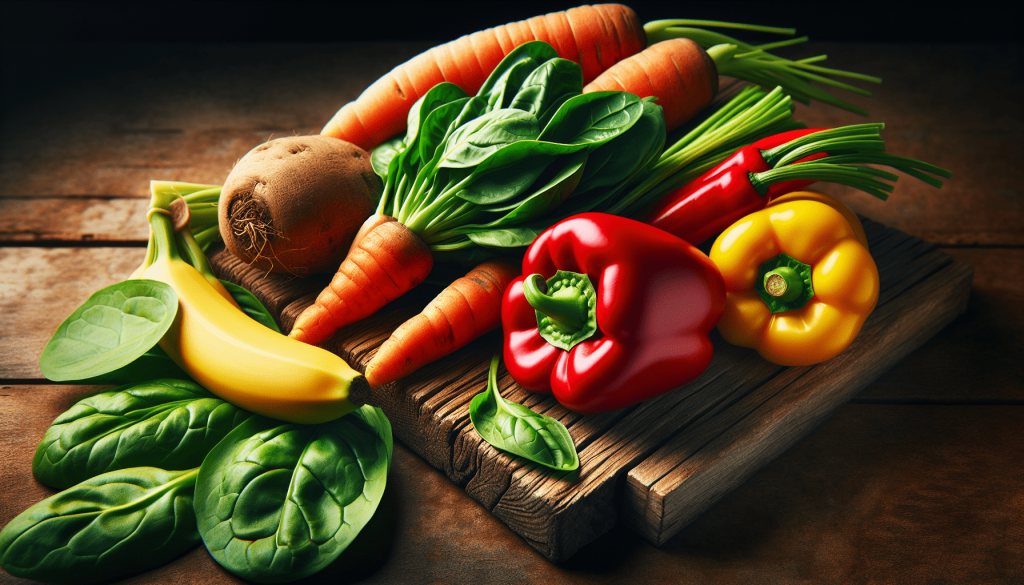
| Vitamin A | Carrots, sweet potatoes, spinach |
| Vitamin B1 | Whole grains, pork, nuts |
| Vitamin B2 | Dairy products, eggs, green leafy vegetables |
| Vitamin B3 | Meat, fish, whole grains |
| Vitamin B6 | Fish, poultry, potatoes, chickpeas |
| Vitamin B12 | Meat, dairy products, fortified cereals |
| Vitamin C | Citrus fruits, bell peppers, strawberries |
| Vitamin D | Fatty fish, fortified dairy, sunlight |
| Vitamin E | Nuts, seeds, spinach |
| Vitamin K | Leafy greens, broccoli, Brussels sprouts |
Incorporating a mix of these food sources into your meals can help you achieve a good balance of vitamins.
Supplements: Are They Necessary?
Sometimes, despite your best efforts, it can be challenging to get all the vitamins you need through food alone. This is where supplements come into play. But are they necessary?
While supplements can be beneficial, they should not be your first line of defense. Whole foods provide vitamins in combination with minerals, fiber, and other beneficial compounds that supplements lack. If you’re considering supplements, it might be worth discussing with a healthcare provider to see what’s best for you.
Vitamin Deficiencies
Even with the best intentions, many people may not get enough vitamins in their diets. Deficiencies can lead to various health issues, and recognizing the symptoms is crucial.
Common Vitamin Deficiencies
Here’s a look at some common vitamin deficiencies and their potential effects:
| Vitamin | Symptoms of Deficiency |
|---|---|
| Vitamin A | Night blindness, dry skin |
| Vitamin B1 | Fatigue, irritability, muscle weakness |
| Vitamin B12 | Anemia, memory issues, fatigue |
| Vitamin C | Scurvy (gums bleed, weakness) |
| Vitamin D | Bone pain, muscle weakness |
| Vitamin E | Impaired immune response, nerve damage |
| Vitamin K | Excessive bleeding, easy bruising |
If you suspect a vitamin deficiency, monitoring your symptoms and consulting a healthcare professional is a good idea. Early intervention can prevent more serious health issues down the line.

Proper Vitamin Intake
You might wonder how much of each vitamin you need for optimal health. Recommended dietary allowances (RDAs) vary by age, gender, and health conditions.
RDAs for Vitamins
Here’s a brief overview of some RDAs for adult men and women:
| Vitamin | Men (19-70 years) | Women (19-70 years) |
|---|---|---|
| Vitamin A | 900 mcg | 700 mcg |
| Vitamin C | 90 mg | 75 mg |
| Vitamin D | 600 IU | 600 IU |
| Vitamin E | 15 mg | 15 mg |
| Vitamin K | 120 mcg | 90 mcg |
These values can help guide your daily intake, but it’s always best to consult with a healthcare provider for personalized recommendations.
The Role of Timing and Preparation
Did you know that the way you prepare and consume food can affect vitamin absorption? It’s true! Here are a few tips on how to maximize vitamin intake.
Cooking Methods
Certain cooking methods can break down vitamins, making them less effective. Here’s how to preserve them better:
- Steaming: Retains more vitamins than boiling.
- Microwaving: Can be quick while maintaining vitamin content.
- Raw: Some vitamins, like C, are best consumed raw.
Additionally, certain vitamins are better absorbed with specific foods or conditions. For example, consuming vitamin D with a source of fat enhances its absorption.
Balancing Vitamins
You might have heard about the importance of balance when it comes to vitamins. It’s essential not to get too much of one vitamin, as it can affect the absorption of another.
Interactions Between Vitamins
Some vitamins can work together synergistically, while others may compete. Here’s a quick look:
| Vitamin | Interactions |
|---|---|
| Vitamin A | Works with vitamin D for bone health |
| Vitamin D | Enhances calcium absorption |
| Vitamin K | Works with vitamin D for bone metabolism |
| Vitamin C | Improves iron absorption |
Understanding these interactions can help you maintain a balanced intake of vitamins.
Special Considerations
Certain individuals may require special attention when it comes to vitamin intake. Factors such as age, lifestyle, and health conditions can impact your vitamin needs.
Pregnant and Breastfeeding Women
Pregnancy and breastfeeding increase the demand for several vitamins, particularly folate (B9), iron, and calcium. It’s crucial to discuss your nutrition with your healthcare provider if you’re in this stage of life.
Older Adults
As we age, our bodies often require different amounts of vitamins. Vitamin D, B12, and calcium become increasingly important for maintaining health and preventing bone loss.
Vegetarians and Vegans
If you follow a vegetarian or vegan diet, you may need to pay special attention to vitamins that are primarily found in animal products, such as B12 and omega-3 fatty acids. Fortified foods and supplements can help address these needs.
Listening to Your Body
A key part of supporting your health with vitamins is listening to your body. You may notice changes in your energy levels, mood, or overall well-being that signal your vitamin needs.
Monitoring Your Health
Keeping track of how you feel can provide valuable insights. If you consistently feel fatigued, suffer from frequent colds, or notice changes in your skin or hair, it might be time to evaluate your vitamin intake.
Building Healthy Habits
Incorporating vitamins into your diet doesn’t have to be complicated. By building healthy habits, you can enhance your vitamin intake without feeling overwhelmed.
Meal Planning
Planning meals can help you ensure you’re getting a variety of vitamins. Aim for a colorful plate rich in fruits and vegetables, and don’t hesitate to try new foods to diversify your nutrient intake.
Mindful Eating
Take time to enjoy your meals. Mindful eating encourages you to pay attention to what you consume, helping you make healthier choices. This can lead to better absorption of vitamins and improved overall well-being.
Conclusion
Vitamins are essential to your health, playing crucial roles in energy production, immune function, and maintaining strong bones. By understanding the importance of different vitamins, how to obtain them from your diet, and how to balance their intake, you can support your overall health. Remember, if you have specific health concerns or dietary restrictions, consulting a healthcare provider is always a good idea. Eating a varied and balanced diet, combined with active listening to your body, can help you thrive and enjoy the benefits of these vital nutrients.