

What if you could transform your health by simply understanding the delicate balance of your body’s internal systems?
Understanding Bio Balance
Bio Balance refers to the harmonious state of your body’s systems, where everything operates optimally. This intricate balance encompasses hormones, enzymes, neurotransmitters, and other essential components that influence your overall well-being. By maintaining Bio Balance, you can not only enhance your physical health but also support mental clarity and emotional stability. Let’s take a closer look at what this means for you.
Why Is Bio Balance Important?
When your body is in a state of Bio Balance, it functions more efficiently. This state promotes better digestion, enhanced immune responses, and improved energy levels. In contrast, any imbalance—whether due to diet, stress, or lifestyle choices—can lead to a cascade of health issues. Understanding how to nurture this balance can empower you to make smarter health decisions.
Components of Bio Balance
Several key components work together to create a state of Bio Balance. Knowing how each one contributes to your health can guide you towards a more balanced life.
Hormones
Hormones play a crucial role in regulating digestion, metabolism, and mood among other functions. When hormones fall out of balance, you might experience fatigue, weight gain, or mood swings. To maintain balance, consider regular check-ups with your healthcare provider.
Nutrients and Enzymes
Your body requires specific nutrients to produce enzymes that facilitate digestion and energy production. A balanced diet rich in whole foods—like fruits, vegetables, lean proteins, and healthy fats—ensures that your body receives the necessary elements to keep enzymes functioning optimally.
Neurotransmitters
These chemical messengers are essential for brain function. They impact mood, anxiety, and even sleep quality. Bio Balance helps maintain proper levels of neurotransmitters, which can help you feel more stable emotionally and physically.

The Impact of Diet on Bio Balance
The foods you consume have a direct impact on your body’s chemistry. Eating processed foods can disrupt your natural balance, leading to inflammation and health issues.
Whole Foods vs. Processed Foods
| Whole Foods | Processed Foods |
|---|---|
| Rich in nutrients and fiber | High in sugar and unhealthy fats |
| Promote digestive health | Often lacking in essential nutrients |
| Support balanced hormones | Can cause hormonal imbalances |
| Enhance neurotransmitter function | May lead to mood swings and fatigue |
By prioritizing whole foods in your diet, you can support Bio Balance effectively. This means more fruits, vegetables, whole grains, lean proteins, and healthy fats.
Hydration and Bio Balance
Staying hydrated is another essential aspect of maintaining Bio Balance. Water helps in the detoxification process, supports metabolic functions, and helps transport nutrients throughout your body.
How Much Water Should You Drink?
Even though the commonly recommended eight cups of water per day is a good general guideline, your specific needs may vary based on factors such as age, weight, and physical activity. Here’s a quick way to gauge your hydration:
- Listen to your body: Thirst is a strong indicator of your need for water.
- Check your urine: Light yellow is a sign of good hydration, whereas dark urine may indicate the need for more fluids.
- Consider activity levels: If you exercise regularly, aim to drink more to replace lost fluids.
The Role of Exercise in Bio Balance
Physical activity is vital for maintaining Bio Balance. It boosts mood, increases energy levels, and enhances bodily functions. Regular exercise helps to control weight, reduce the risk of chronic diseases, and improve mental health.
Types of Exercise
Incorporating various types of exercise into your routine can offer diverse benefits:
| Type of Exercise | Benefits |
|---|---|
| Aerobic Exercise | Improves cardiovascular health, burns calories |
| Strength Training | Builds muscle mass, increases metabolism |
| Flexibility and Stretching | Enhances flexibility, prevents injuries |
| Mind-Body Exercises | Promotes relaxation, improves mental health |
Aim for a balanced routine that includes both aerobic and strength training workouts, along with stretching to keep your body in its best shape.
Stress Management and Bio Balance
Reducing stress is essential to achieving and maintaining Bio Balance. Chronic stress can lead to hormonal imbalances, digestive issues, and a weakened immune response.
Strategies for Managing Stress
- Mindfulness and Meditation: Spend a few minutes each day focusing on your breath or practicing mindfulness exercises. This can help clear your mind and lower stress levels.
- Physical Activity: As mentioned earlier, exercise releases endorphins, which act as natural stress relievers.
- Journaling: Writing down your thoughts and feelings can help you process emotions and reduce anxiety.

Sleep and Its Role in Bio Balance
Quality sleep is non-negotiable for Bio Balance. Poor sleep patterns can disrupt hormonal balance, increase stress, and negatively affect your overall health.
Tips for Better Sleep
- Establish a Sleep Routine: Going to bed and waking up at the same time every day helps regulate your body’s internal clock.
- Create a Comfortable Sleep Environment: Dark, quiet, and cool spaces can help you fall asleep easier.
- Limit Screen Time: Reducing exposure to screens before bedtime can improve the quality of your sleep.
Importance of Gut Health
Your gut health significantly impacts your overall health and well-being. A balanced gut microbiome plays a vital role in digestion, nutrient absorption, and immune function.
Supporting Gut Health
To maintain a balanced gut, consider incorporating the following:
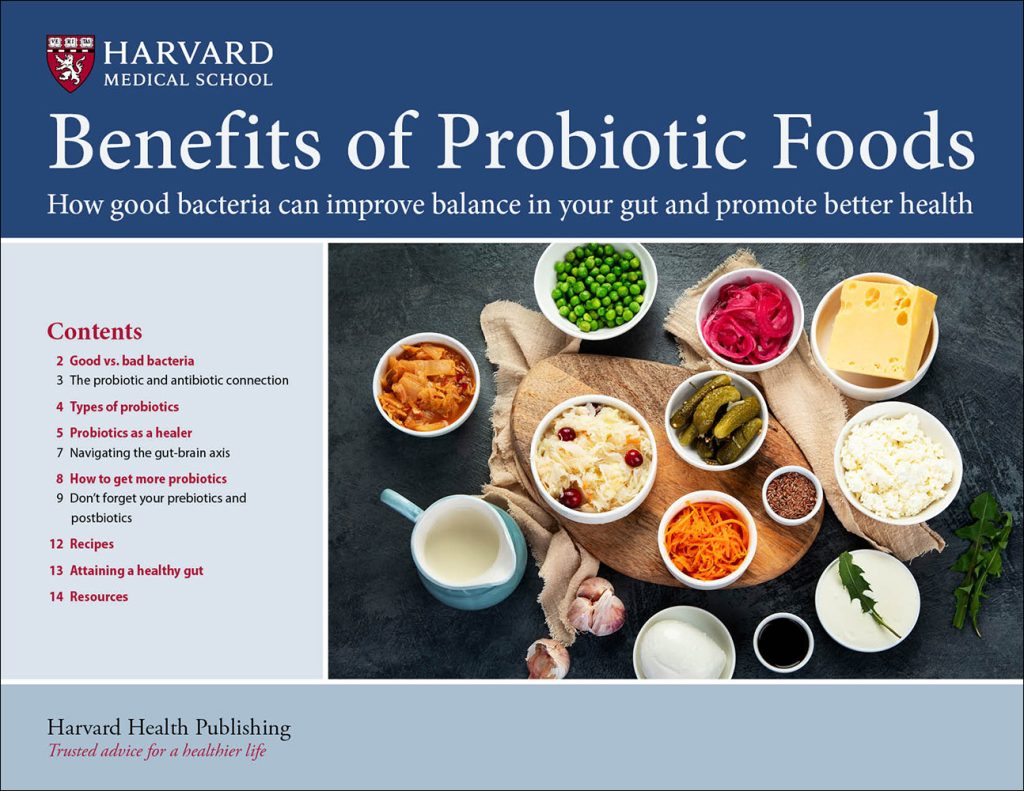
- Probiotics and Fermented Foods: Foods like yogurt, sauerkraut, and kimchi are rich in beneficial bacteria.
- Fiber-Rich Foods: Whole grains, vegetables, and fruits provide the necessary fiber to support digestion.

Bio Balance and Aging
As you age, maintaining Bio Balance becomes even more critical. Hormonal changes, along with shifts in metabolism and digestion, can create new challenges.
Strategies for Healthy Aging
- Regular Check-Ups: Schedule visits with your healthcare provider to monitor hormonal levels and other critical health markers.
- Stay Active: Modify your exercise routine to include activities that can accommodate your changing needs and injuries.
- Mental Stimulation: Engage in activities like puzzles, reading, or learning new skills to keep your brain healthy as you age.
The Role of Supplementation
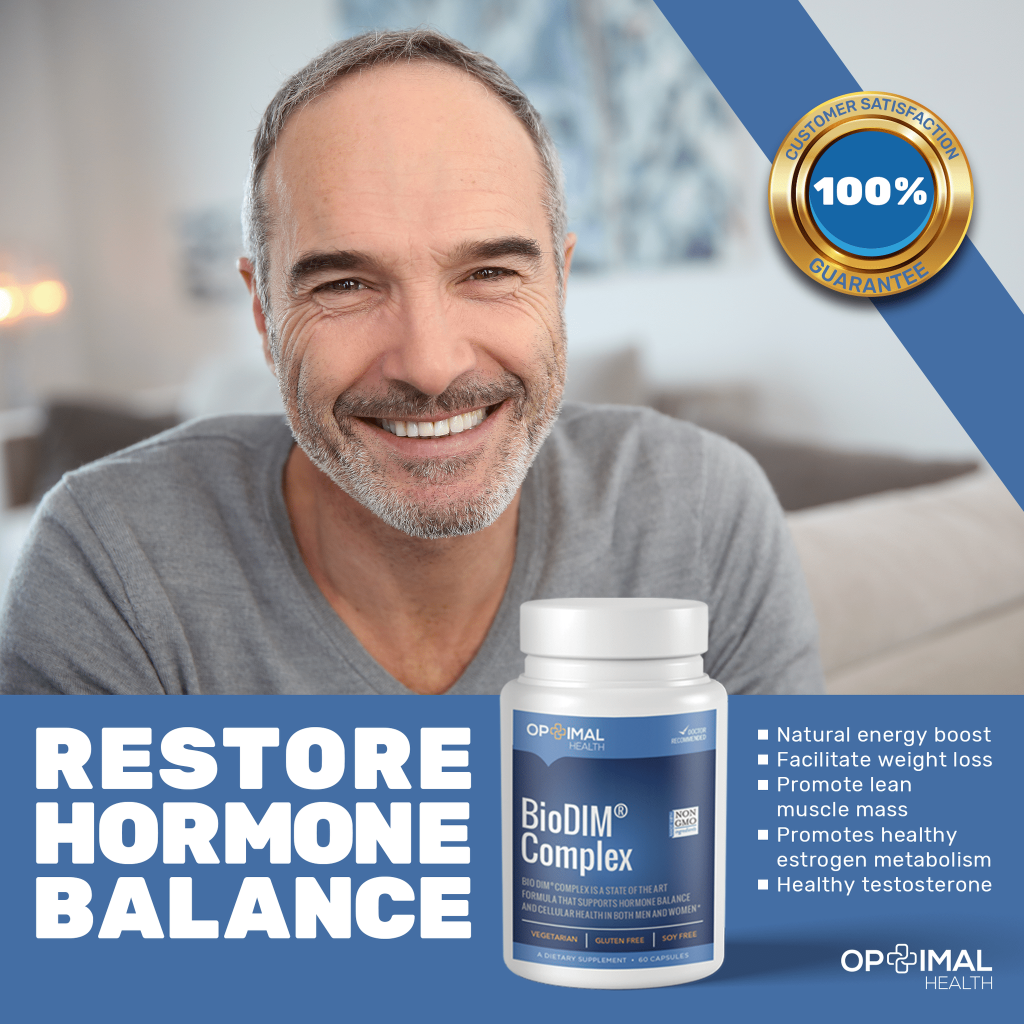
While it’s best to get your nutrients from whole foods, certain supplements can help you achieve Bio Balance. It is always wise to consult with your healthcare provider before starting any new supplement regimen.
Common Supplements
| Supplement | Possible Benefits |
|---|---|
| Omega-3 Fatty Acids | Supports heart and brain health |
| Vitamin D | Essential for bone health and immune function |
| Probiotics | Enhances gut health and digestion |
| Magnesium | Aids in muscle and nerve function, supports sleep |
Mental Health and Bio Balance
Your mental health is intricately connected to Bio Balance. Stress, anxiety, and depression can disrupt your internal systems, which in turn can affect overall health.
Techniques for Supporting Mental Health
- Therapy: Speaking with a mental health professional can help you navigate emotional challenges and develop coping strategies.
- Social Connections: Engage with friends and loved ones. Positive relationships can support mental well-being.
- Self-Care Practices: Allocate time for hobbies and activities that bring you joy and relaxation.
Holistic Approaches to Bio Balance
Integrating holistic practices into your health routine can enhance your efforts to achieve Bio Balance. This means looking beyond just diet and exercise.
Practices to Consider
- Acupuncture: This traditional Chinese medicine technique may help regulate energy flow and reduce stress.
- Aromatherapy: Essential oils can promote relaxation, elevate mood, and reduce anxiety.
- Chiropractic Care: Keeping your spine aligned can enhance bodily function and improve overall well-being.
Customizing Your Bio Balance Journey
Achieving Bio Balance is not one-size-fits-all. Each individual’s needs, lifestyles, and health concerns are different, making it essential to customize your path toward balance.
Self-Assessment
Consider tracking your habits, feelings, and physical responses for a week or more. This self-reflection can reveal patterns that you may want to address.
Staying Informed and Flexible
Your health journey is dynamic and ever-changing. Staying informed about new research and health trends can empower you to make educated choices that align with your goals.
Join Communities
Engaging with communities—whether local or online—that focus on health and wellness can provide support, inspiration, and valuable resources to keep you motivated.
Conclusion
Understanding how Bio Balance promotes optimal health can be a game-changer for you. From diet and exercise to mental health and self-care, small, consistent changes in your daily routine can lead to significant improvements in your overall well-being. By nurturing your Bio Balance, you’re taking proactive steps to live your healthiest, happiest life. Remember, every journey towards balance is unique, and with the right guidance and commitment, you can create a lifestyle that supports your health goals effectively.